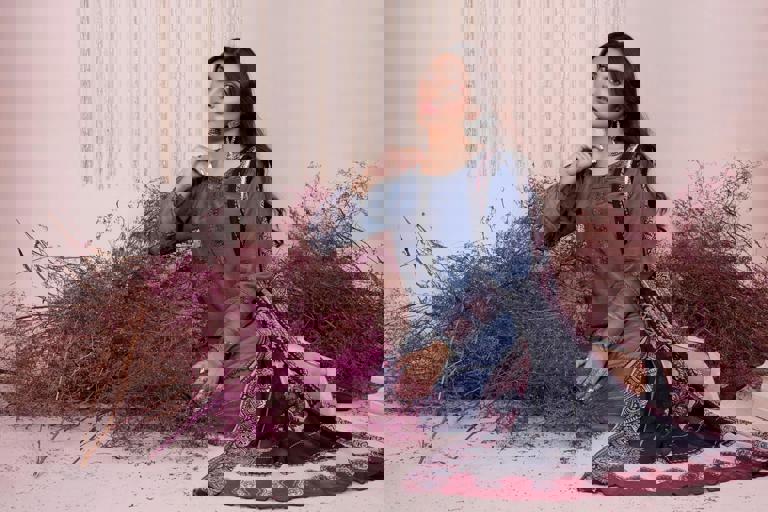
A fashion renaissance is unfolding in Malaysia’s urban centers, where traditional Malay fabrics like batik and songket are experiencing a spirited revival. Once reserved for special occasions and formal events, these textiles are now finding their way into the daily wardrobes of young trendsetters. Designers are taking cues from their heritage, infusing centuries-old patterns with modern, audacious silhouettes to capture the imagination of a new generation keen on self-expression.
This renewed interest is not accidental; it mirrors a broader movement among Malaysians to reclaim cultural identity amid rapid globalization. Fashion houses in Kuala Lumpur and Penang, for example, are showcasing collections centered on vibrant batik prints and the intricate gold threads of songket. According to fashion analyst Nurul Hanis, “Young people are proud to wear what their grandparents wore, but they want to make it relevant to their lives now.”
Crucially, some designers are collaborating directly with local artisans, supporting not just fashion trends but the very preservation of Malaysia’s textile craftsmanship. These partnerships ensure that traditional weaving and dyeing techniques are not lost to mechanized production. Ahmad Faisal, owner of a contemporary batik label, emphasizes, “By buying authentic pieces, consumers help sustain whole communities and ancestral know-how that might otherwise disappear.”
Modern interpretations of these textiles range from street-style oversized jackets with songket panels to batik-patterned sneakers that appeal to youths. Social media platforms are amplifying the trend, with hashtags like #BatikIsCool and #SongketReborn connecting urbanites eager to flaunt their culturally-inspired looks. Influencers regularly post styling tips, further propelling traditional fabrics into the limelight and making them both aspirational and accessible.
Beyond aesthetics, there’s a growing discourse on sustainability in fashion circles, with batik and songket lauded as eco-friendly alternatives. These fabrics are typically made using natural dyes and fibers, aligning with the global shift toward responsible fashion. Rina Lee, a sustainability advocate, notes, “Embracing our local textiles isn’t just about heritage. It’s about choosing materials and practices that respect the environment too.”
Retail trends reflect this enthusiasm. Stores from high-end boutiques to fast-fashion chains have introduced ready-to-wear collections that blend traditional motifs with versatile urban designs. Sales data from several Malaysian retailers show a notable uptick—batik fashion sales grew by 35% year-on-year in 2023, according to the Malaysian Fashion and Textile Association, marking the highest growth in over a decade.
This phenomenon has not gone unnoticed overseas. International fashion runways in cities like Paris and Tokyo have seen Malaysian designers presenting contemporary garments adorned with native fabrics, bolstering national pride and raising global awareness. Cultural historian Dr. Sharmila Ahmad points out, “When our motifs walk international runways, it is both a celebration and affirmation of our country’s creative spirit and living traditions.”
Looking ahead, the ongoing blend of heritage and innovation looks poised to continue, fueled by both grassroots interest and top-tier design talent. As city streets teem with bold takes on batik and songket, traditional fabrics are no longer static symbols of the past—they are dynamic elements of contemporary Malaysian identity. This resurgence is a testament to how fashion, at its best, can bridge generations, foster sustainable practices, and encourage cultural storytelling in everyday life.