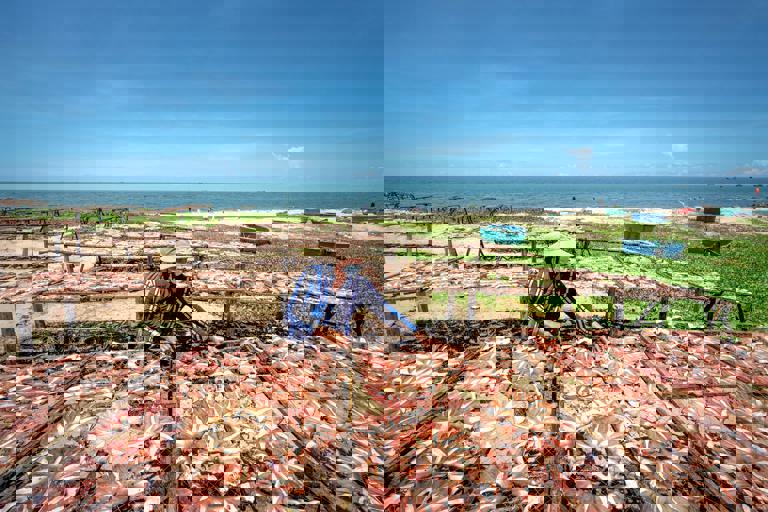
Every weekend, Langkawi’s docks transform into vibrant floating fish markets that draw crowds from across the island and beyond. What sets these markets apart is their authenticity and the unique experience they offer. Instead of visiting typical onshore stalls, eager seafood lovers board wooden boats, bobbing gently in the water, to select ultra-fresh catches directly from local fishermen. This immersive ritual has fast become a signature attraction for both residents and tourists.
Fishermen, many from families who have plied these waters for generations, are at the heart of this tradition. With the break of dawn, they return from the Andaman Sea with boats laden with diverse marine treasures—red snappers, groupers, squids, prawns, and more. By midday, they've transformed their vessels into pop-up stalls. Using makeshift awnings, baskets, and cool boxes, they proudly display their night’s harvest for inspection.
The appeal of the floating fish market isn’t limited to just fresh produce—it’s an auditory feast as well. Markets hum with lively bargaining and laughter, while seagulls squawk overhead hoping for scraps. Locals say haggling is part of the culture here, with prices fluctuating based on the size, species, and seasonality of the catch. Despite the bustling atmosphere, the markets maintain an air of community camaraderie and tradition.
Visitors are often surprised by the transparency and trust at these markets. According to Ahmad Salleh, a third-generation fisherman, "There’s no fresher seafood on the island. Buyers see the fish come straight off the nets." He adds, "We even fillet or clean it for you, and sometimes, we’ll grill it right on the dock if you ask nicely." This personalized service draws repeat customers and encourages word-of-mouth enthusiasm.
Beyond transactions, the floating markets are a living repository of Langkawi’s rich oral traditions. Fishermen, when not attending to customers, share captivating yarns about tidal currents, mythical sea creatures, or past storms that tested their mettle. Children gather around to listen as elders recount tales of the legendary giant fish of Mahsuri’s curse or recall adventures navigating the archipelago’s labyrinthine mangroves in search of the perfect prawn haul.
Tourists, in particular, are captivated by the blend of cultural immersion and culinary adventure. Liana Surya, a visitor from Kuala Lumpur, recounts her experience: "I felt like I was part of a storybook. I tried a fish I’d never even heard of, and listening to the fishermen’s stories made the experience unforgettable." Many travelers depart with not only seafood but also a newfound appreciation for Malaysia’s maritime heritage.
Statistically, these markets have positively impacted the local economy. According to the Langkawi Development Authority, weekend fish market sales have increased by 40% over the last two years, providing vital income boosts to fishing families. The direct-to-consumer sales cut out middlemen, ensuring better prices for fishermen and affordable, high-quality seafood for buyers. It’s a mutually beneficial arrangement applauded by community leaders.
Conservation groups also see potential in the floating fish markets. Environmentalist Nur Azwin notes, "By connecting consumers directly to fishermen, these markets foster sustainability. Buyers learn about which species are in season and why it’s important not to overfish certain stocks." Educational displays about marine ecosystems and responsible harvesting have begun to appear, subtly weaving environmental awareness into the weekend festivities.
Such innovative marketplaces are not without challenges. Rising fuel costs, unpredictable weather patterns, and the pressure of ever-increasing tourist numbers pose significant hurdles. Nevertheless, local associations are working on solutions such as fuel subsidies, weather-tracking tools, and crowd management strategies to keep the markets safe and thriving for everyone involved. Efforts are also underway to ensure hygiene standards without sacrificing the charm of the dockside setup.
As Langkawi continues to evolve as a top destination for cultural and culinary tourism, its floating fish markets endure as a symbol of island life. They represent more than a way to buy seafood—they are a celebration of tradition, ingenuity, and community spirit. Whether you’re a seasoned local or a wide-eyed first-timer, a visit to Langkawi’s floating docks offers a taste of the sea and a glimpse into a world shaped by tides, tales, and the timeless lure of the ocean.